





India–EU Free Trade Agreement: The “Mother of All Deals”
preloader icon
lightdark-switch

India–EU Free Trade Agreement: The “Mother of All Deals”

  • Money
  • Jan 27, 2026
India–EU Free Trade Agreement: The “Mother of All Deals”

 India–EU Free Trade Agreement: The “Mother of All Deals” and What It Means for India
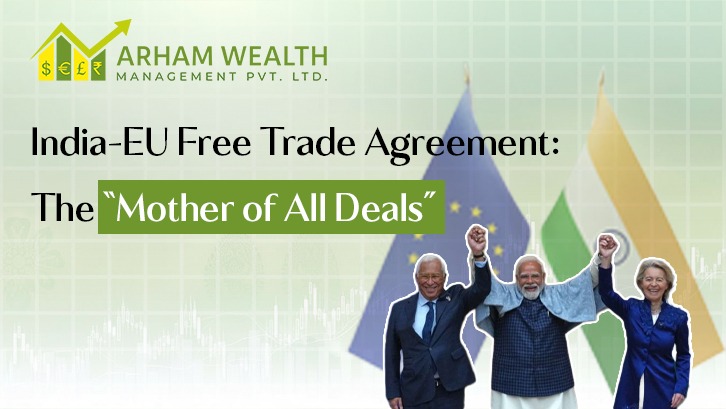
On January 27, 2026, after nearly two decades of negotiations, India and the European Union (EU) officially concluded a landmark Free Trade Agreement (FTA)—a pact both sides are calling the “Mother of All Deals.” 

This historic agreement marks a new chapter in economic cooperation between India and the 27-nation EU bloc and is expected to have far-reaching implications for trade, investment, jobs, and global economic strategy. 

Why It’s Called the “Mother of All Deals”
The FTA has earned this label due to its scope, scale, and strategic significance:

  • Huge combined market: Together, India and the EU represent nearly 25% of global GDP and a market of around 2 billion people—one of the largest trade zones in the world. 
  • Comprehensive tariff cuts: The agreement will reduce or eliminate duties on over 95% of goods traded between India and the EU, including machinery, chemicals, pharmaceuticals, food products, and industrial equipment.
  • car and consumer goods tariff cuts: Duties on EU cars, premium spirits, wine, and other products will be slashed—benefiting consumers and making European products more accessible in India.
  • Climate and sustainable development support: The EU is providing €500 million in support to help India accelerate its climate and clean energy goals. 

What the Deal Includes
The India–EU FTA goes beyond just cutting tariffs:

  • Major goods sectors like machinery, medical equipment, and electronics will see tariffs dramatically reduced or eliminated. 
  • Textiles, leather, and marine products from India will get improved access to the EU market with lower duties. 
  • Simplified customs procedures aim to make cross-border trade faster and cheaper.
  • Services and digital trade chapters will ease access for Indian companies in finance, IT services, and transport.
  • sME support and regulatory cooperation will help small and medium enterprises trade and invest more easily. 

Strategic Importance for India
For India, the agreement is far more than a trade pact:

Exports get a boost: Indian industries such as textiles, gems and jewellery, leather, chemicals, pharmaceuticals, and IT services are expected to expand their footprint in Europe. 
Diversifying export markets: This deal helps India reduce reliance on traditional markets and buffers exporters against global trade uncertainties. 
Global economic positioning: India’s integration with one of the world’s richest economic blocs strengthens its role as a vital hub in global value chains. 
Attracting investment: Easing market access and regulatory barriers is expected to bring in more foreign investment into sectors like clean energy, manufacturing, and services. 

What Happens Next?
Although the FTA text has been agreed upon, the legal finalisation and ratification process will take some months. After legal reviews and approvals in the EU and India, the deal is expected to be implemented through 2026–27.

  •  In Summary
    The India–EU Free Trade Agreement is rightly being called the “Mother of All Deals.” It links two of the world’s largest economic powers, making significant tariff reforms, creating wider market access, and strengthening economic integration in a time of shifting global trade patterns. The agreement is expected to unlock new opportunities for businesses, spur exports, boost investment, and cement India’s role in the global economy for years to come. 

    source times of india